


ADVANCED FOOD PRODUCTION TECHNOLOGY SOLUTIONS FOR ENTERPRISES
Optimize production efficiency with modern food production technology
In the food industry, advanced production technology plays a key role in ensuring product quality and optimizing operational performance. At HI-FOODS, advanced food production solutions are implemented comprehensively at the GN FOODS plant – where advanced production line systems, strict quality control processes, and high operational standards converge. This helps businesses effectively meet the increasingly stringent demands from the market as well as modern distribution systems, especially in the context of rising demand for safe, convenient, and consistent food.
The application of advanced technology at GN FOODS not only helps to closely control factors affecting quality such as raw materials, temperature, processing time, and storage, but also optimizes the entire production process on a large scale. As a result, HI-FOODS can ensure product quality stability, minimize waste, enhance productivity, and maintain continuous supply capabilities. This is a crucial foundation that helps the company strengthen its competitive advantage, enhance brand reputation, and develop sustainably in the long term.
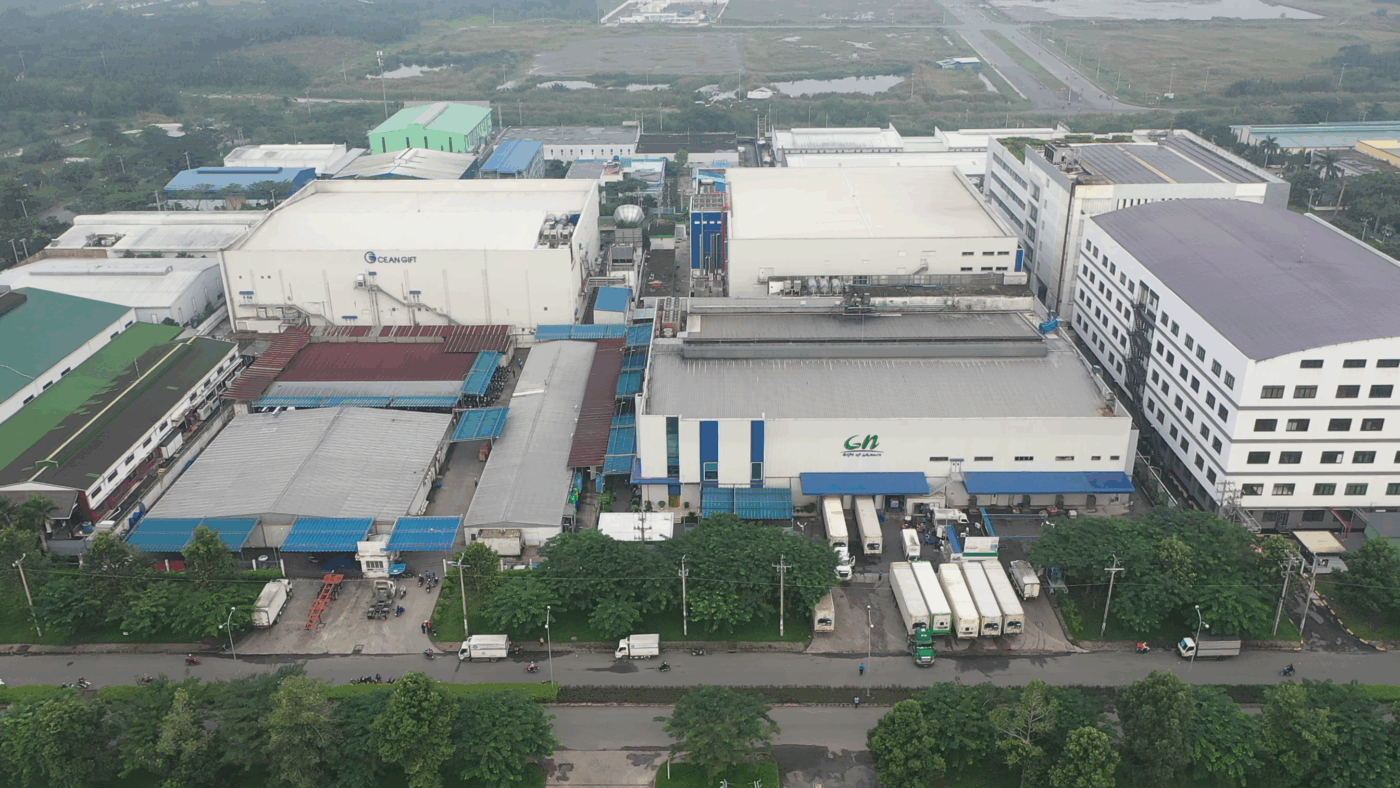
Ensuring high-quality food products through synchronized production technology
APPLICATION OF IQF FREEZING TECHNOLOGY IN FOOD PRODUCTION
IQF freezing technology helps preserve product structure
IQF (Individual Quick Freezing) technology is a key frozen food production solution that helps preserve structure and quality in the modern food industry. At the GN FOODS plant, HI-FOODS applies IQF technology with a process of freezing individual products on a conveyor belt at high speed, minimizing the formation of large ice crystals – the main cause of cell structure breakdown. As a result, products after thawing still retain freshness, intact structure, and natural flavor, meeting the stringent standards of the retail and F&B sectors.
Not only does it enhance quality, but IQF technology also plays a significant role in optimizing large-scale production efficiency. With the ability to quickly freeze large volumes of products in a short time, businesses can shorten production cycles, minimize waste, and increase operational productivity. This allows HI-FOODS to be proactive in supply planning, flexibly meet large orders with high deadlines, while also enhancing cost management efficiency and solidifying sustainable competitive advantages in the market.
AIR BLAST FREEZING TECHNOLOGY IN FOOD QUALITY CONTROL
Air Blast – freezing by forced cold air circulation
Air Blast freezing technology – using forced cold air circulation – is one of the important production solutions that help optimize food preservation efficiency at HI-FOODS. Implemented at the GN FOODS plant, this technology allows cold air to circulate continuously at high speeds, enabling rapid and uniform freezing across the entire surface of the product. As a result, the temperature is kept stable throughout the freezing process, minimizing quality changes and helping products retain freshness, color, and natural texture.
Not only does it stop at the production stage, but Air Blast also plays a critical role in maintaining product quality throughout the storage and distribution chain. Controlling a consistent temperature helps products remain in a stable state when transported to sales points, minimizing the risk of spoilage or quality degradation. For businesses, this is a key factor in ensuring a consistent product experience for consumers, while also optimizing operational costs by reducing waste throughout the supply chain.
OPTIMIZING PRODUCT QUALITY WITH MODERN FREEZING TECHNOLOGY
Combining IQF and Air Blast technology in food production
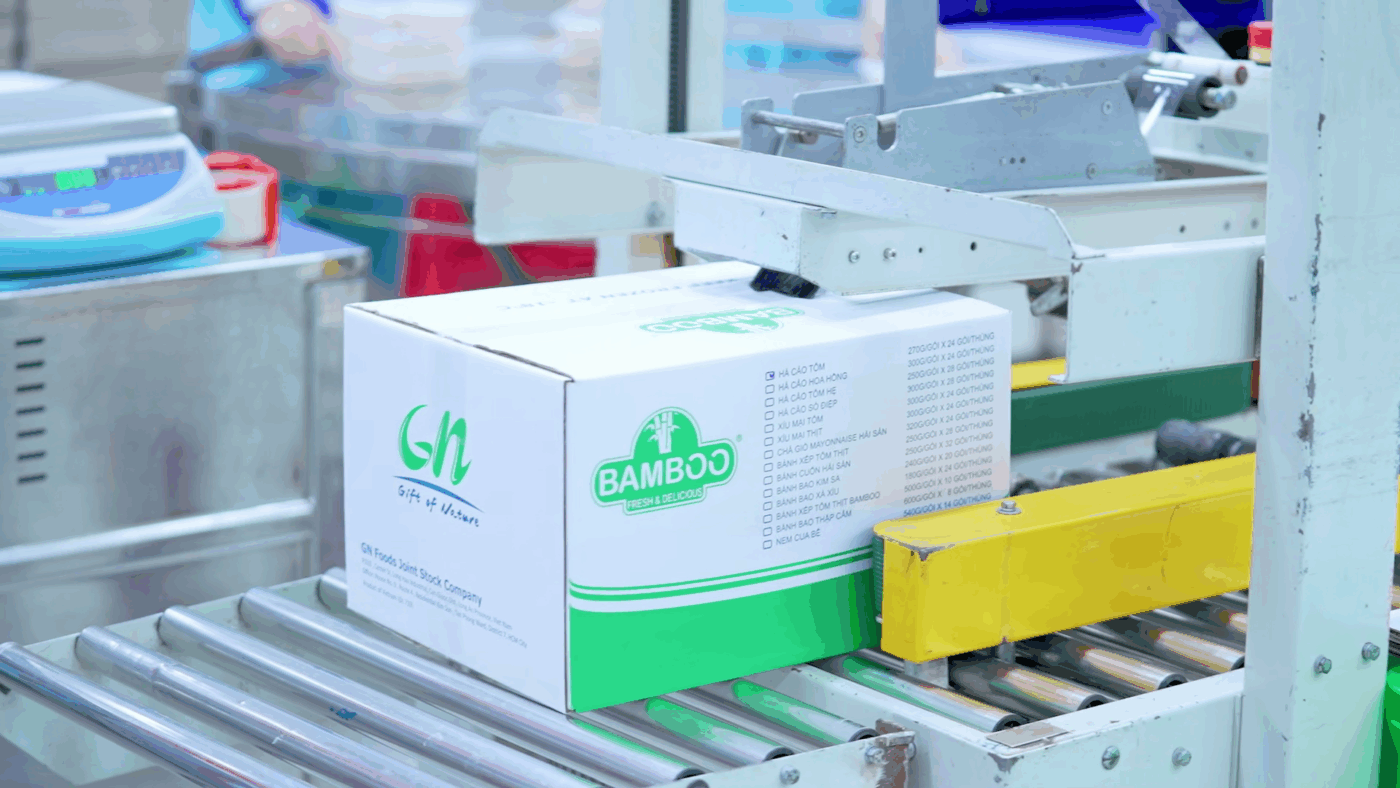
The combination of IQF and Air Blast technology in food production is an advanced food production technology solution that HI-FOODS implements to comprehensively optimize freezing efficiency. At GN FOODS, IQF (Individual Quick Freezing) and Air Blast technologies are applied flexibly according to each product group, helping the freezing process in food production happen quickly, uniformly, and suitably for the specific characteristics of each type of raw material. The combination of IQF and Air Blast not only enhances freezing speed but also helps preserve product structure, minimize nutrient loss, and retain natural flavor – an important factor in modern food production technology for the retail and F&B sectors.
The synchronized application of IQF and Air Blast technologies in the food production process helps HI-FOODS ensure consistent quality across large production batches. Thanks to advanced food production technology, businesses can tightly control factors like temperature, time, and storage conditions throughout the production – storage – distribution chain. This not only helps maintain stable product quality when it reaches consumers but also meets stringent consistency requirements in modern distribution systems. For B2B businesses, this is an important advantage that enhances brand reputation, optimizes operations, and increases sustainable competitive capacity in the food production technology industry.
THE VALUE OF FOOD PRODUCTION TECHNOLOGY FOR ENTERPRISES
HI-FOODS – A PARTNER IN IMPLEMENTING ADVANCED PRODUCTION TECHNOLOGY
HI-FOODS is a partner in applying advanced production technology, providing a modern food production platform that meets high and stable quality standards in the long term. With systematic investment in machinery, automated lines, and modern freezing technology at the GN FOODS plant, HI-FOODS ensures that each product is rigorously controlled from raw materials to final products. The closed production process, adhering to strict food safety standards, not only preserves nutritional value and natural flavor but also ensures consistency and high safety when introduced to the market. Not stopping at production capacity, HI-FOODS also offers advanced, flexible production solutions specifically for B2B businesses, suitable for various business models such as restaurant chains, retail systems, or export partners. Thanks to a strong technological foundation, businesses can easily customize products according to requirements regarding recipes, packaging specifications, output, and supply timeline. This helps optimize operational costs, shorten time to market, and enhance competitiveness in the context of a rapidly developing food industry with high demands for quality.


