

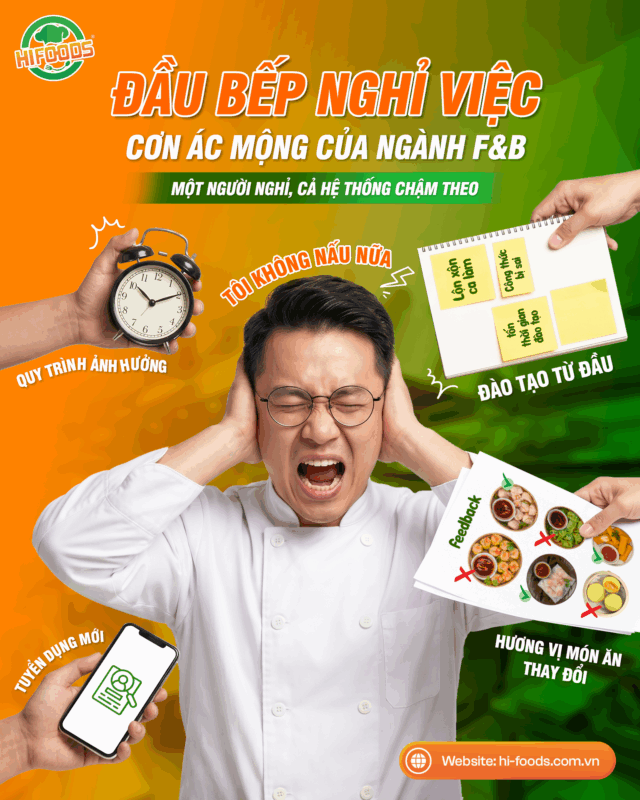
CHEF QUITTING – HOW MANY RESTAURANTS ARE ACTUALLY READY?
The night before, the restaurant was still operating normally. The next morning, a text message appears: “I am resigning starting today.”
Just a few minutes later, the entire system begins to suffer. The menu has to be adjusted. Shifts are disrupted. The remaining staff must shoulder the extra workload. Customers wait longer, and food quality begins to lose its stability.
The worrying part does not lie in the lack of a single staff member, but rather in the fact that the entire system is relying too heavily on that person.
In a context where the F&B industry constantly faces personnel turnover, the question arises: Is your restaurant operating via a system, or is it operating based on the experience of a few individuals?
“CHEF SHORTAGE” – NOT A NEW ISSUE, BUT BECOMING INCREASINGLY SEVERE
The F&B industry has long faced pressure in recruiting and retaining kitchen staff. However, in recent years, this puzzle has become more challenging as labor costs rise, personnel tend to constantly shift, and workers increasingly prioritize lower-pressure work environments.
Many restaurant models are still operating in a way where:
-
Each chef has their own recipe.
-
Each work shift produces a different level of quality.
-
The flavor of the dish changes according to the person cooking.
-
The training process is prolonged and heavily dependent on personal experience.
When a staff member quits, the business loses not only a worker but also a part of the operational process that was dependent on them.
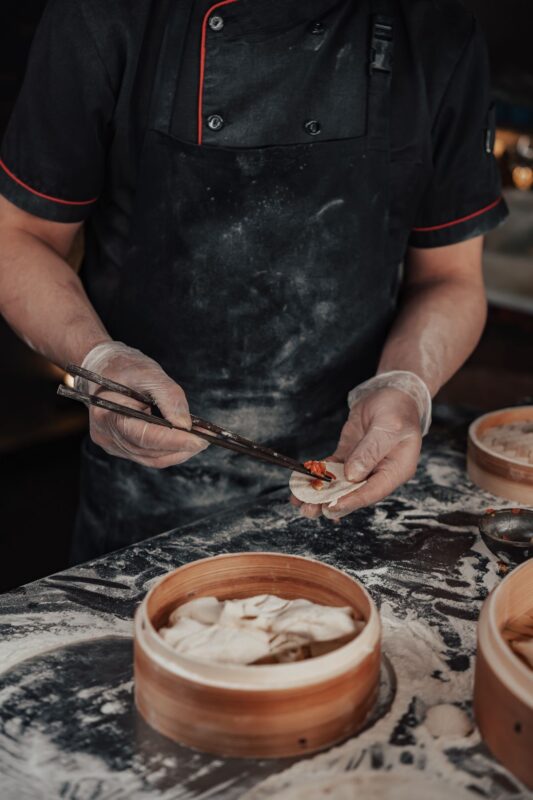
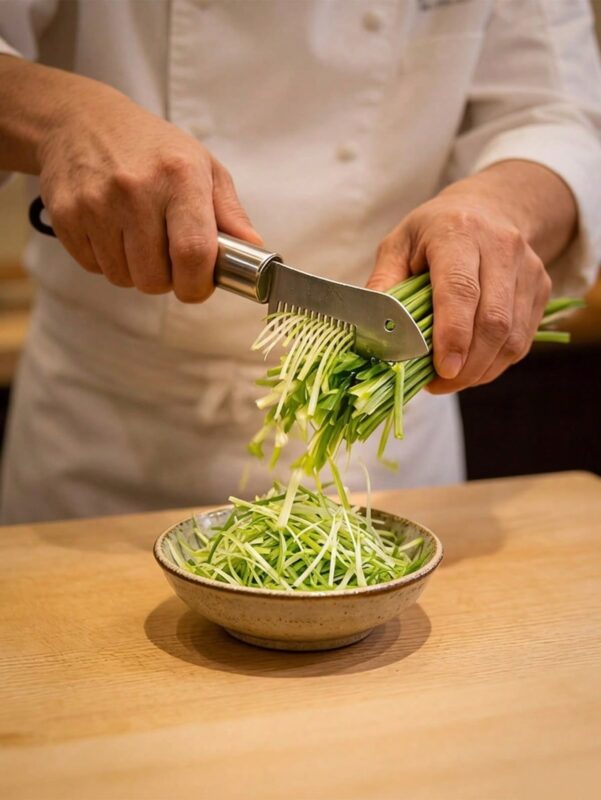
F&B OPERATIONAL STANDARDIZATION IS THE SOLUTION TO REDUCE DEPENDENCY ON PERSONNEL AND CHEFS
That is also why more and more modern F&B models are shifting towards building operational systems that are less dependent on individuals.
Instead of starting with ingredient preparation every day, many businesses choose standardized food solutions to shorten preparation times and optimize resources.
When ingredients are pre-standardized, businesses can:
-
Significantly reduce preparation time.
-
Simplify cooking processes.
-
Easily train new staff.
-
Limit dependency on highly skilled chefs.
-
Maintain consistent quality across different shifts.
-
Accelerate service speed during peak hours.
This does not mean replacing the role of the chef, but rather helps the kitchen team focus more on tasks that truly generate value, such as finishing dishes, controlling quality, and enhancing the customer experience.
STANDARDIZED FOOD SOLUTIONS HELP RESTAURANTS OPERATE MORE STABLY
Successful F&B chains today do not just look for skilled chefs. They invest in building a system that can operate stably even when personnel changes.
That is why standardized food solutions are being increasingly widely applied in restaurants, buffets, catering, takeaway, and cloud kitchens.
A well-operating system needs to ensure:
-
A stable supply.
-
Consistent quality.
-
Simplified cooking processes.
-
Clear documentation and certifications.
-
The ability to control quality throughout the entire supply chain.
When these factors are standardized, businesses can significantly reduce operational risks, optimize personnel, and enhance the customer experience.
HI-FOODS ACCOMPANIES BUSINESSES IN REDUCING KITCHEN PRESSURE
At HI-FOODS, we provide standardized food solutions designed for restaurants, buffets, HORECA, and modern F&B chains.
With a diverse portfolio of dim sum and convenient foods, backed by the manufacturing capabilities of the GN FOODS factory, businesses can:
-
Shorten cooking times.
-
Maintain consistent quality.
-
Optimize long-term operational efficiency.
In today’s F&B industry, the puzzle is no longer about finding a single chef who can “carry the team.”
What matters more is building a system that can operate stably every single day, regardless of who is standing in the kitchen.
Connect with HI-FOODS to discover food solutions that help your business standardize operations, optimize personnel, and achieve sustainable growth.


