

F&B OPERATIONAL OPTIMIZATION: ARE OWNERS PAYING FOR VALUE OR FOR REPETITIVE TASKS?
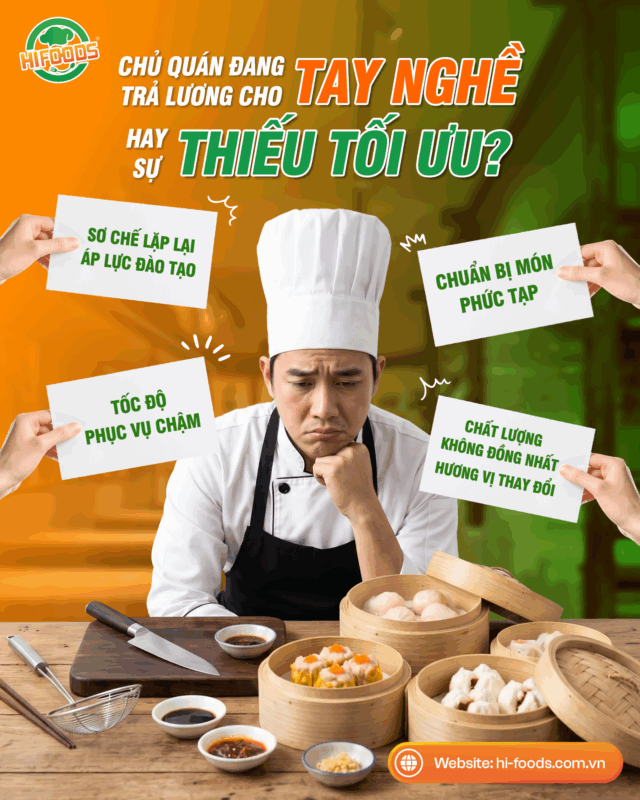
A question worth reflecting on for every cafe, restaurant, and establishment owner: Are you paying your chefs to create a distinctive culinary experience, or are you paying them for repetitive daily tasks such as processing, cutting, mixing, seasoning, and preparing ingredients?
In a context of rising labor costs, growing competitive pressure, and customers demanding faster service speed, the F&B operational optimization puzzle is no longer an option, but has become the deciding factor in a business’s growth capability.
Many current restaurant models still allocate most of their resources to preparation stages instead of focusing on truly value-creating activities, such as enhancing customer experience, developing new dishes, and improving service quality.
F&B OPERATIONAL OPTIMIZATION STARTS WITH ELIMINATING NON-VALUE-ADDING STAGES
A highly skilled chef can spend hours every day just processing raw ingredients, preparing dishes before peak hours, or repeating the exact same tasks between work shifts. This leads to several consequences:
-
Increased labor costs without a matching level of efficiency.
-
Greater pressure on management and training new staff.
-
Difficulty maintaining consistent quality across multiple branches.
-
Reduced time spent on creativity and enhancing customer experience.
Meanwhile, today’s consumers are increasingly less patient. They expect fast service, stable dishes, and a consistent experience every single time they visit a venue. Is a dish requiring two hours of preparation still suitable for the operational pace of the modern market? This is the question that more and more restaurant owners and HORECA enterprises are asking themselves.
STANDARDIZED FOOD SOLUTIONS HELP RESTAURANTS OPTIMIZE COSTS AND PERSONNEL
Instead of continuously hiring more staff or expanding complex kitchen processes, many businesses are choosing standardized food solutions as a way to restructure operations. Standardized food does not take away from the chef’s value. On the contrary, it helps the kitchen team focus on higher-value tasks such as finishing dishes, controlling quality, and enhancing the customer experience.
Reducing processing and preparation stages also helps businesses:
-
Shorten cooking and serving times.
-
Reduce the pressure of recruiting highly skilled chefs.
-
Minimize operational errors.
-
Easily train new staff.
-
Optimize long-term operational costs.
This is also the reason why buffet models, restaurant chains, takeaway, catering, and cloud kitchens increasingly prioritize the adoption of convenient and standardized food solutions.
CONVENIENT FOOD SOLUTIONS FOR HORECA HELP ACCELERATE SERVICE SPEED
In the modern F&B industry, service speed directly impacts customer experience and business efficiency. Peak hours do not allow for overly complex processes. The larger the menu, the greater the operational pressure. More options do not translate to higher revenue if the business lacks the capability to control quality and service speed.
Thanks to convenient food solutions and standardized food, businesses can:
-
Cook quickly while still preserving the dining experience.
-
Proactively manage the supply source for large-scale business models.
-
Accelerate service speed during peak hours.
-
Maintain consistent quality across different work shifts.
-
Reduce operational pressure and optimize business efficiency.
This is also the “Fast Serving” trend currently being adopted by many F&B businesses to enhance their competitive edge in a rapidly changing market context.
HI-FOODS PROVIDES STANDARDIZED FOOD SOLUTIONS FOR HORECA
At HI-FOODS, we provide a diverse portfolio of dim sum and convenient food products tailored for restaurants, eateries, hotels, and HORECA systems.
Leveraging the manufacturing foundation of the GN FOODS factory, businesses not only secure a stable supply source but can also shorten preparation times, optimize personnel, and elevate operational efficiency.
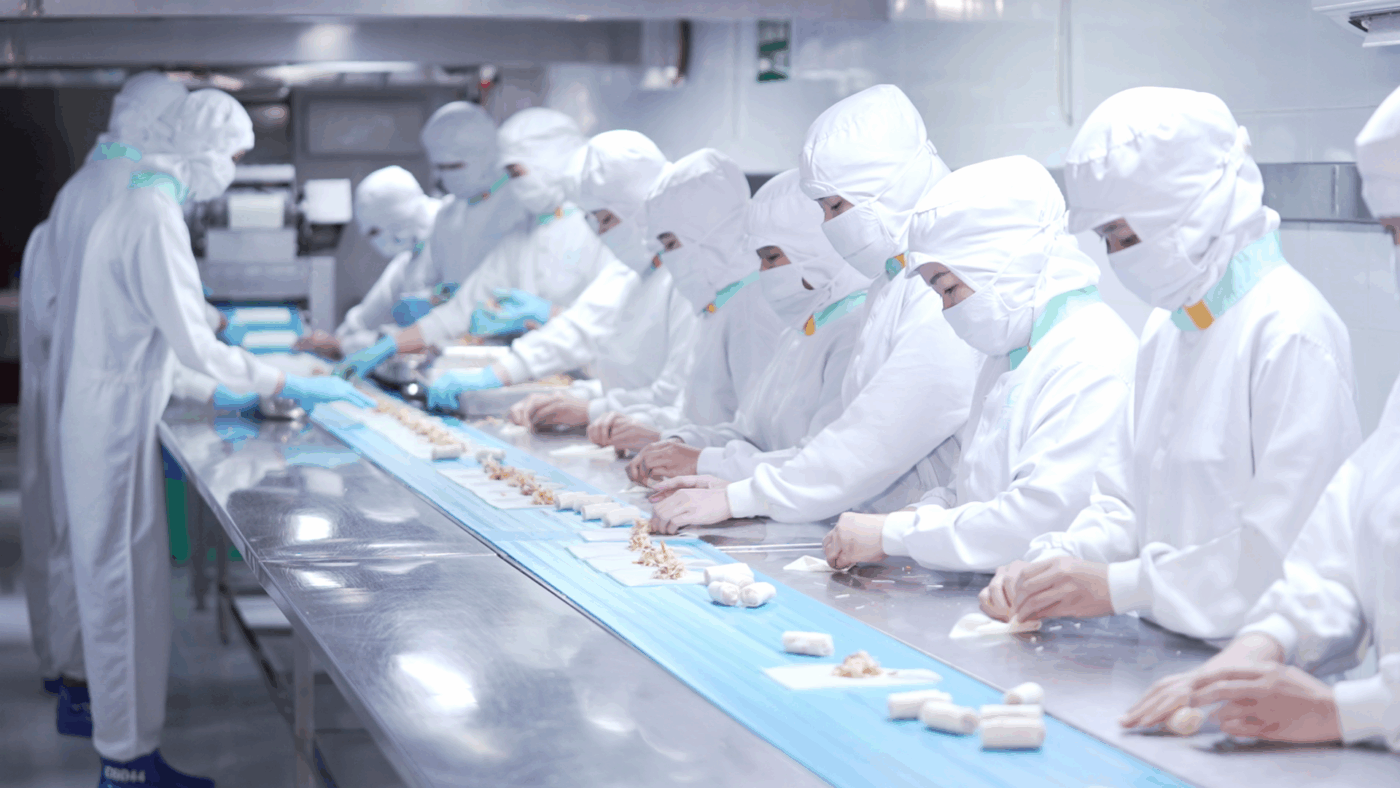
GN FOODS is not only a manufacturer but also a vital link in the supply chain, with consistent quality and stable supply as its core standards. Streamlining the kitchen does not mean simplifying the dishes.
That is the method many F&B businesses are choosing to utilize personnel more efficiently, accelerate service speed, and deliver a better experience to customers.
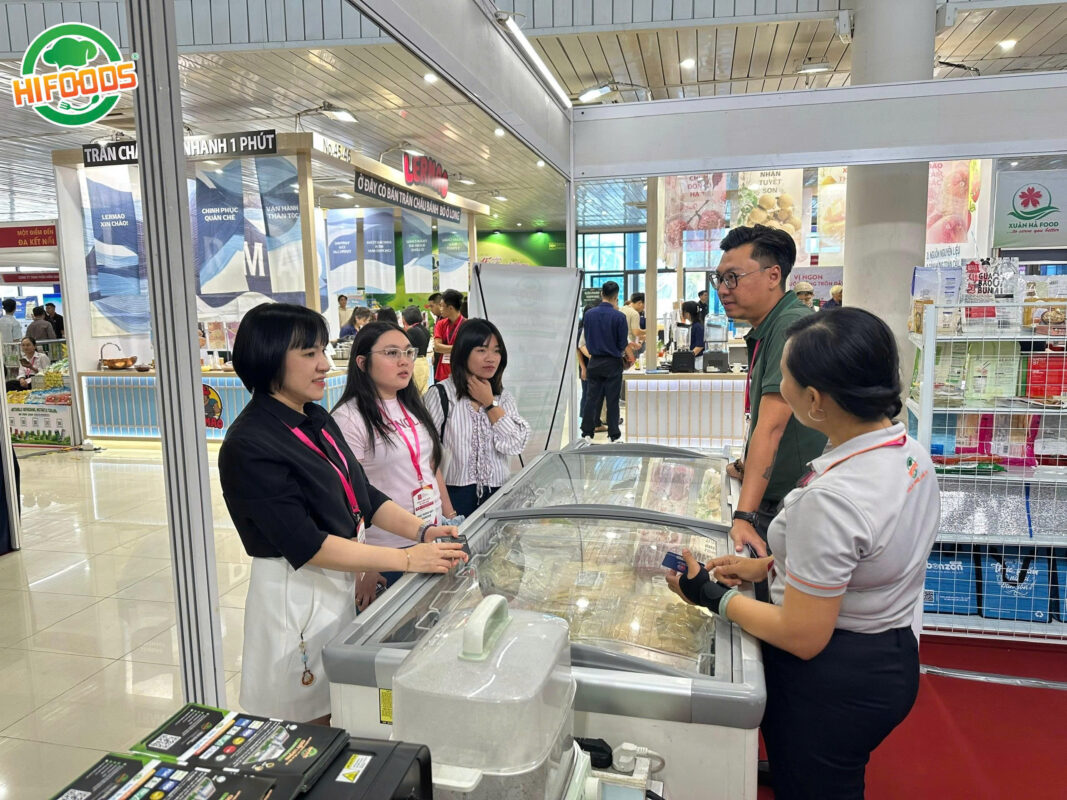
An efficiently operating kitchen needs not only skilled personnel but also the right solution.
Connect with HI-FOODS to discover standardized food solutions that help your business optimize operations and achieve sustainable growth.


